How to Reduce Customer Churn: 7 Proven Strategies
Customer churn erodes revenue and growth. Discover the most effective strategies to reduce customer churn, from predictive analytics to personalized engagement.

Customer churn—the percentage of customers who stop doing business with you over a given period—directly impacts your bottom line and stalls growth. Even a 5% improvement in retention can increase profits by 25% to 95%, depending on your industry. For small and mid-size businesses, the cost of acquiring a new customer is typically 5–25 times higher than retaining an existing one, making churn reduction a critical business priority. The good news: churn is predictable and preventable when you understand the signals, automate your response, and stay genuinely connected to what your customers need.
01
Why Customer Churn Happens: The Early Warning Signs
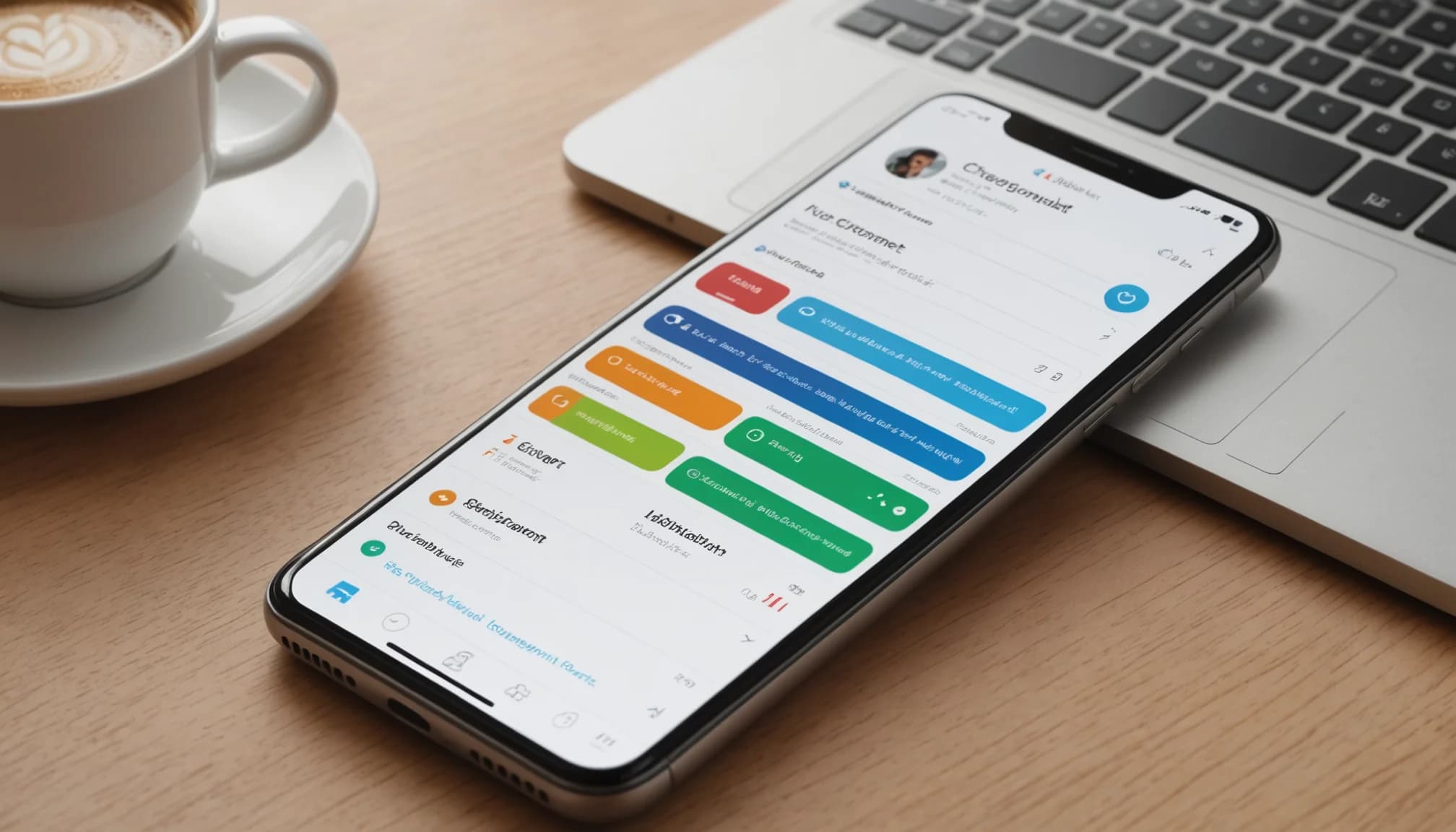
Customer churn doesn't happen overnight. It begins with friction—missed touchpoints, unresolved support tickets, declining engagement, or a competitor offering a better fit. Research into predictive customer churn modeling shows that behavioral data (login frequency, feature adoption, support ticket sentiment) combined with company health signals (usage trends, payment delays) can predict churn risk weeks or months in advance.
The most common churn triggers include poor product-market fit, inadequate onboarding, unresponsive customer support, and lack of perceived value over time. When customers don't see ROI within the first 30–60 days, or when their needs change and your product doesn't adapt, they start looking elsewhere. At-risk customers often exhibit specific patterns: fewer logins, lower API calls, decreased feature usage, or longer response times to your outreach.
Understanding these signals is the foundation of any churn reduction strategy. Without visibility into *why* customers are at risk, you're fighting blind. That's why modern businesses are adopting AI-powered CRM systems that auto-track customer health metrics and flag at-risk accounts in real time, allowing your team to intervene before it's too late.
02
How AI and Predictive Analytics Reduce Customer Churn
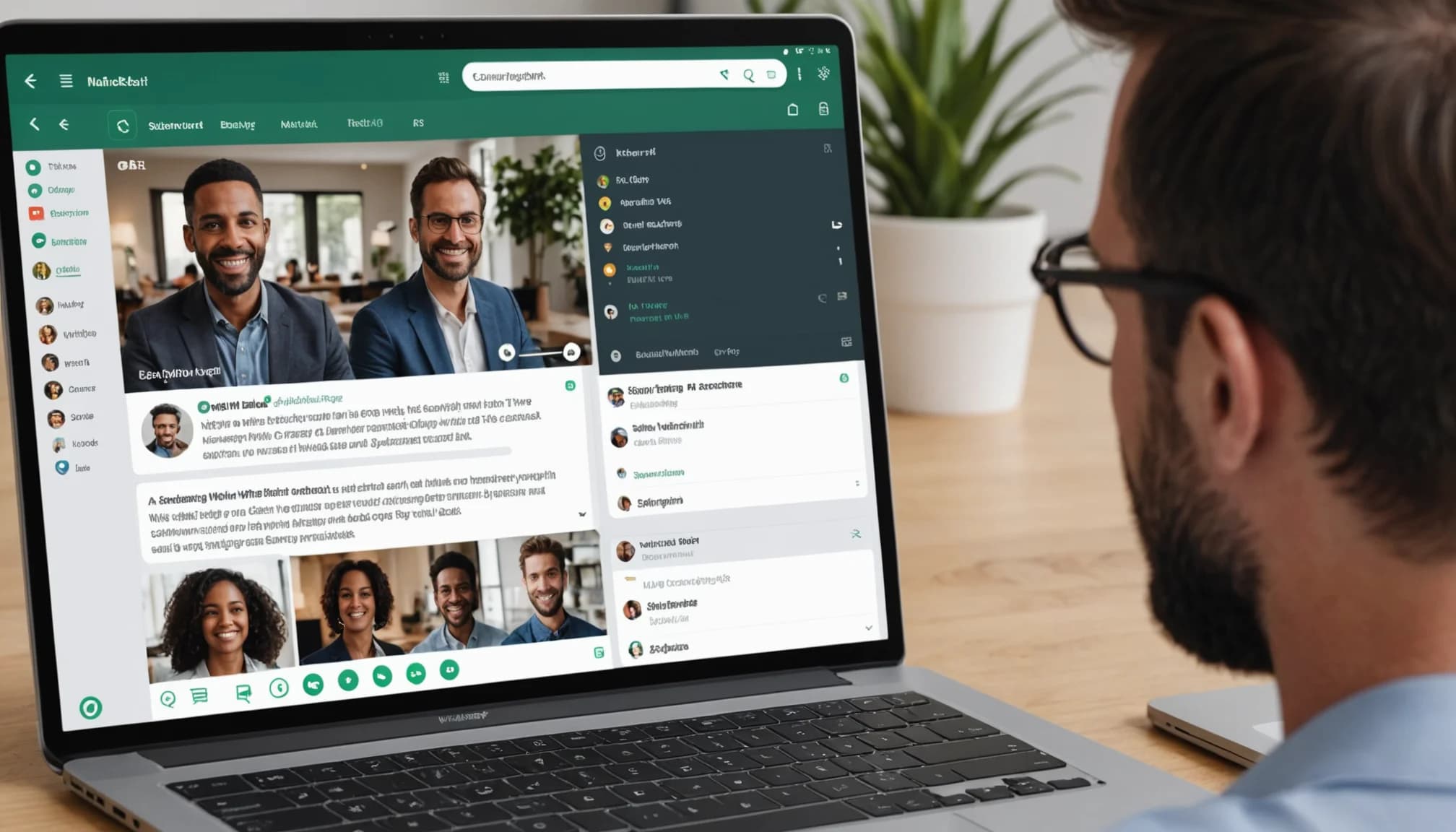
Artificial intelligence has transformed churn prevention from reactive firefighting to proactive intervention. Rather than waiting for a cancellation notice, AI models analyze hundreds of data points—support interactions, feature usage, payment history, sentiment from emails and support tickets—to calculate churn probability scores. Kore.ai's partnership with NVIDIA, for example, demonstrates how enterprise-scale predictive churn systems can identify at-risk cohorts and recommend personalized retention actions in real time.
Predictive churn modeling works best when it combines multiple data sources. A customer who hasn't logged in for two weeks *and* has opened fewer than half their billing emails *and* submitted a critical support ticket that went unresolved is a very different risk profile than someone who simply had a quiet month. Machine learning algorithms identify these multivariate patterns far faster than manual review. Early adopters—particularly in telecommunications, where churn modeling is most mature—report 15–30% improvement in retention rates when using AI-powered prediction alongside proactive engagement.
For SMBs, the barrier to entry is lower than ever. A unified CRM with built-in AI scoring can auto-identify at-risk customers without requiring a data science team. WRRK, for instance, combines real-time intent data (sourced from Reddit, LinkedIn, X, Quora, and social channels) with native CRM tracking, so you see which customers are engaging with competitor keywords or retreating from your product ecosystem—giving you weeks of notice to course-correct. At $14.99 per person per month, this level of predictive intelligence was once only available to enterprise customers.
03
Personalization and Engagement: Turning Insight Into Action
Knowing a customer is at risk means nothing without a retention playbook. The most effective churn reduction strategies couple predictive alerts with personalized, timely interventions. This might be a proactive outreach from your success manager, a special offer or upsell to new features, a dedicated training session, or even a candid conversation about whether your product still fits their needs.
Personalization requires integrated communication. If you're managing customer interactions across email, SMS, WhatsApp, and in-app messaging using separate tools, response times suffer and messages feel generic. Customers sense the friction and churn accelerates. Businesses that reduce customer churn effectively use a single unified inbox—one platform where your team can see the full conversation history, respond quickly, and ensure no outreach falls through the cracks. This consolidation also makes it easier to measure what actually works: which messages convert at-risk customers to promoters, and which fall flat.
The best retention campaigns are often the simplest: a quick check-in from a real human, an acknowledgment of the customer's use case, and a concrete suggestion for how to get more value. Automation should handle the routing and timing—AI identifies the at-risk customer and triggers a notification to the right CSM—but the conversation itself should feel genuinely personal. Generic "we miss you" emails have a near-zero conversion rate. Specific, contextual outreach ("I noticed you haven't used our reporting dashboard—it's powerful for tracking ROI. Want a 15-minute walk-through?") converts 2–5% of at-risk customers.
04
Building a Retention Culture: Process, Ownership, and Measurement
Reducing customer churn at scale requires more than tools—it requires process and accountability. High-retention companies assign ownership of churn metrics to a specific leader (often a Chief Customer Officer or VP of Customer Success) and measure it monthly alongside other KPIs. They also segment churn by cohort (new vs. mature customers, by product tier, by industry vertical) to spot patterns and refine their approach.
The best retention processes are proactive, not reactive. Rather than waiting for a cancellation request, these companies define a "health score" for each customer and establish clear escalation rules: if a customer's score drops below a threshold, an automated workflow triggers. This might send a support request to the success team, surface the customer in a daily standby meeting, or auto-enroll them in a recovery email sequence. Verizon's ongoing CX investments in churn reduction show that companies winning in this space combine technology with human accountability—workflows automate the detection and initial outreach, but trained teams own the outcome.
Measurement is non-negotiable. Track net revenue retention (how much revenue you retain from existing customers, accounting for upgrades and downgrades), customer lifetime value (CLV), and churn rate by segment. Over time, correlate churn reduction initiatives with revenue impact. If a new onboarding program or customer success intervention moves the needle on churn, invest further. If it doesn't, pivot. Data-driven iteration—small tests, rapid measurement, quick adjustments—is how SMBs outpace larger competitors with bulkier processes.
Key Takeaway
Reducing customer churn is not a one-time project—it's a system built on prediction, engagement, and continuous improvement. The businesses seeing the best results combine three elements: (1) real-time visibility into customer health using AI-powered scoring, (2) personalized outreach and engagement across unified channels, and (3) a measurement mindset that ties churn reduction directly to revenue. For small and mid-size businesses, this used to require a suite of point solutions and a large team. Today, a unified CRM with predictive AI and native multi-channel communication (email, WhatsApp, social inbox) can centralize the entire function at a fraction of the cost. If churn is eating into your growth, start by identifying your at-risk customers, measuring why they're leaving, and committing to one meaningful intervention—then build from there. The difference between a 5% churn rate and a 10% churn rate, compounded over three years, is often the difference between a thriving business and one that's treading water.
Frequently Asked Questions
What is a good customer churn rate?
A good churn rate depends on your industry and business model, but typically ranges from 2–5% monthly for SaaS and 5–7% annually for mature B2B services. Early-stage startups often see 5–10% monthly churn until they achieve product-market fit. The key is tracking your churn trend—improving churn is more important than hitting an absolute benchmark.
How can I predict which customers will churn?
Use AI and predictive analytics to analyze behavioral signals: login frequency, feature adoption rates, support ticket sentiment, and billing changes. Combine these with company health indicators like engagement trends and competitive signals to generate a churn risk score. Most modern CRM systems can automate this scoring and flag at-risk customers in real time.
What's the best way to retain at-risk customers?
Combine fast detection with personalized, timely intervention. Once you identify an at-risk customer, reach out proactively with a specific suggestion (e.g., an underused feature, a training session, or a new use case). Use unified communication channels so your team can respond quickly and make the customer feel heard.
How do I measure the success of churn reduction efforts?
Track monthly churn rate, net revenue retention, and customer lifetime value (CLV), segmented by cohort and product tier. Correlate churn improvements with specific interventions (e.g., a new onboarding program or success check-in cadence) to identify which efforts move the needle. Measure and iterate monthly.