Free CRM for Small Teams: What Actually Works
Small teams need CRM solutions that don't break the budget. Here's what to look for and how to avoid common pitfalls.
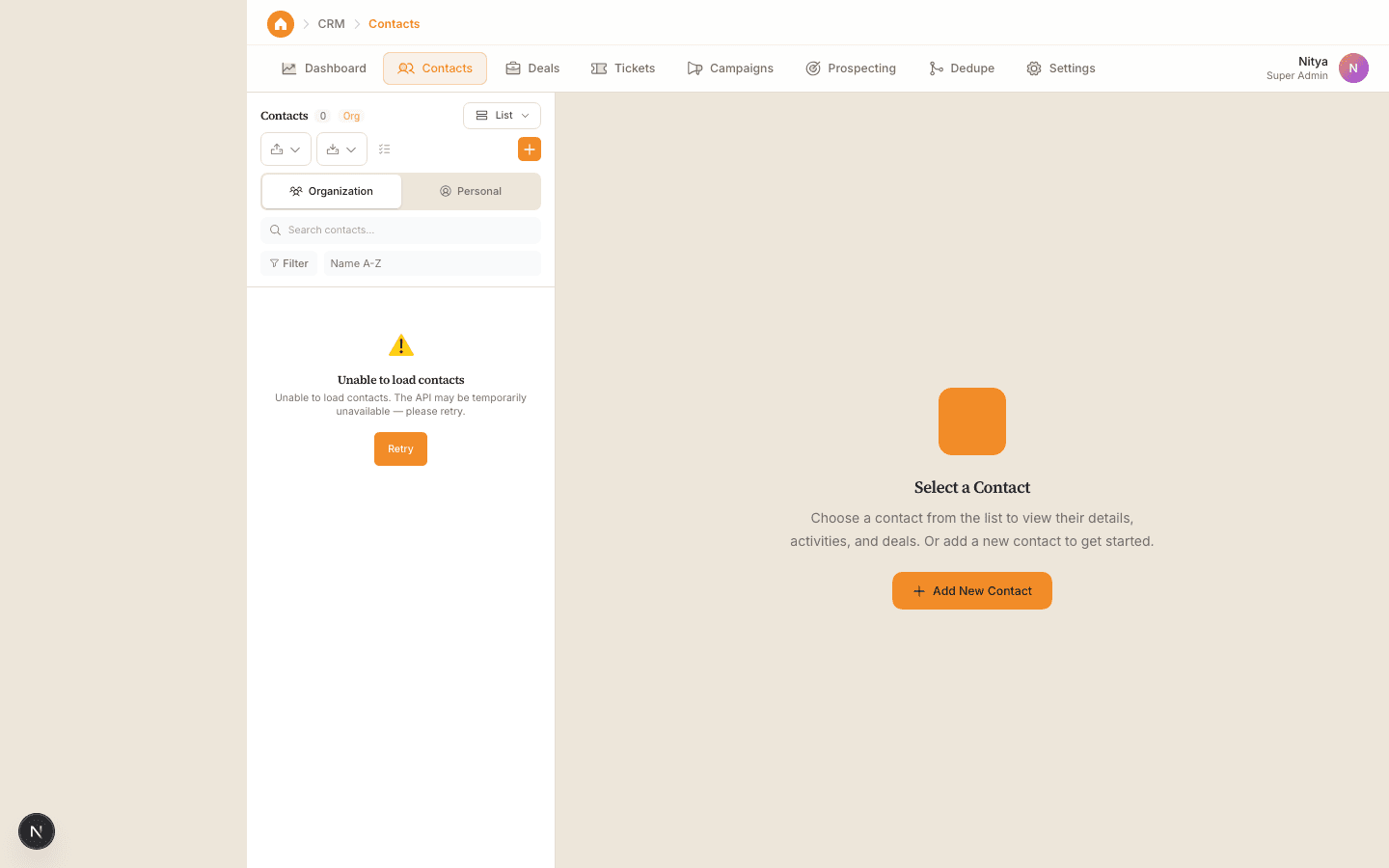
According to Statista, 91% of companies with 10+ employees now use CRM software—but small teams often get stuck choosing between expensive enterprise tools and bare-bones free options that lack essential features. The challenge isn't finding a free CRM; it's finding one that actually helps your team close deals instead of creating more work.
01
Why Small Teams Need CRM (Even if Budget-Conscious)
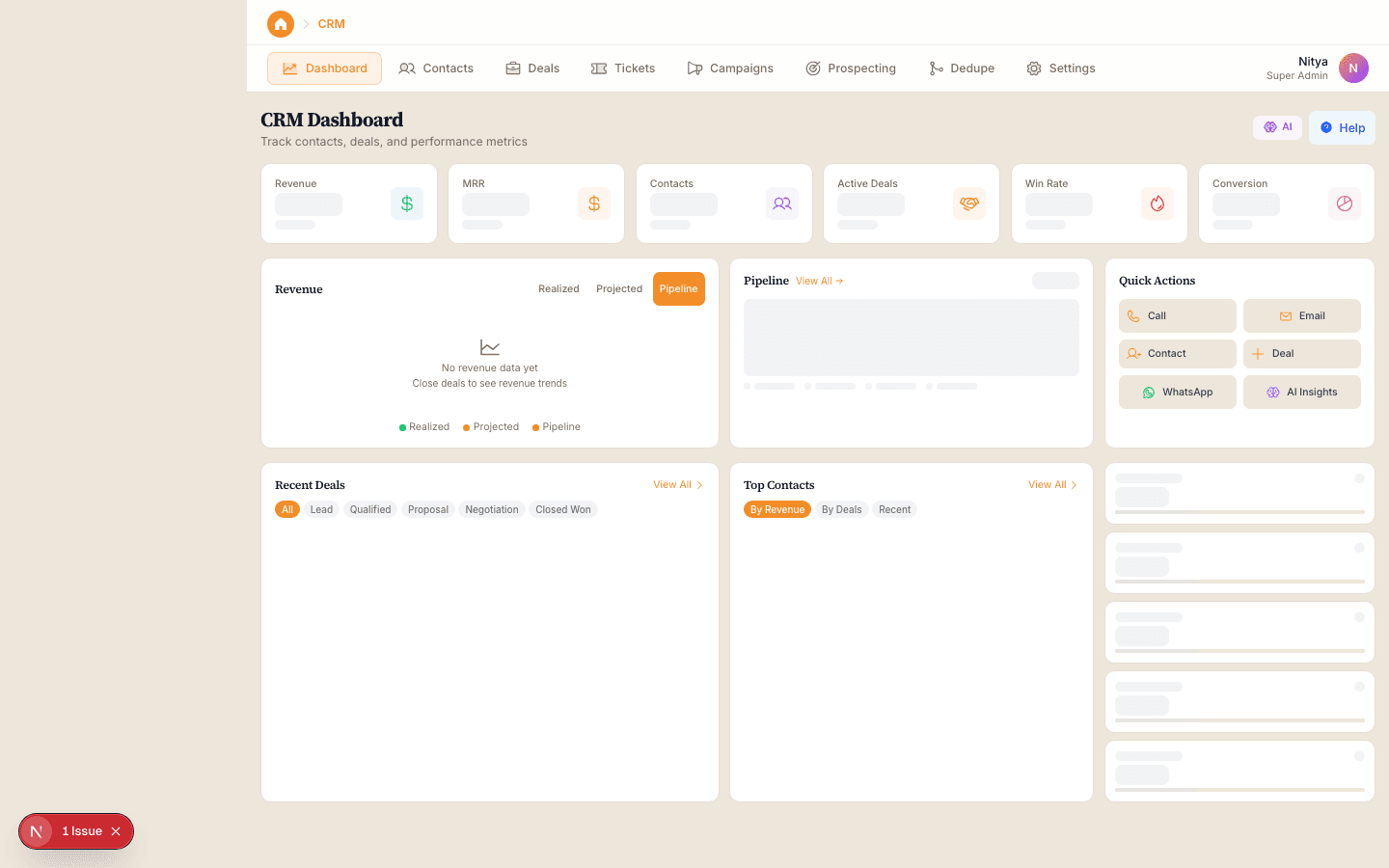
A 2023 HubSpot report found that teams using CRM software see a 27% increase in win rates compared to those relying on spreadsheets and email. For small teams where every deal matters, that's not a nice-to-have—it's a competitive necessity. Yet many small business owners skip CRM entirely because they assume it requires IT setup, extensive training, or a budget they don't have.
The real cost of not having CRM is invisible but substantial. Sales reps spend an average of 21% of their time on manual data entry, according to Forrester Research. When your team is small, those hours add up fast. A proper CRM, even a free one, eliminates duplicate work, ensures no lead falls through the cracks, and gives everyone a single source of truth about customer interactions.
The good news: free CRM platforms have matured significantly over the past few years. They're no longer stripped-down trial versions designed to upsell you. Many genuinely solve the core problems small teams face—contact management, pipeline visibility, and basic automation.
02
What to Evaluate in a Free CRM for Small Teams
Not all free CRMs are created equal. Before comparing feature lists, focus on three non-negotiable criteria: ease of setup (can your team be productive in under 1 hour?), contact management quality (can you store and segment customer data effectively?), and pipeline visibility (can everyone see deal status without hunting through emails?). These fundamentals determine whether your team will actually use the tool or abandon it for spreadsheets.
Look for built-in communication features like email integration and task management. Zapier data shows that teams using CRM with integrated email are 40% more likely to hit their sales targets. Free CRMs that require you to manually log emails or jump between apps create friction that kills adoption. Similarly, check whether the platform supports your communication channels—if your customers primarily contact you via WhatsApp or Instagram, a CRM that only handles email will be incomplete.
Data security and compliance matter even for free tools. Ensure the platform uses encryption, complies with GDPR if relevant to your market, and has a track record of regular updates. A cheap or free CRM that exposes customer data isn't cheap at all—it's a liability.
03
Common Limitations of Free CRM Solutions
Free CRMs typically impose hard limits on contacts, users, or monthly records. A platform that lets you manage 100 contacts but your team has 500 customers isn't solving your problem—it's just a demo. Before committing, calculate your realistic needs: how many contacts will you manage? How many team members need access? How many months of historical data must you retain? Then verify the free tier accommodates this without artificial restrictions.
Many free options lack automation and AI capabilities. While you don't need advanced features starting out, basic workflow automation—like automatically assigning leads based on territory or sending follow-up reminders—dramatically improves team efficiency. Gartner research indicates that teams using workflow automation see a 34% improvement in lead response time. If a free CRM offers zero automation, it's worth asking why.
Another constraint: limited reporting and analytics. You might be able to enter data, but if you can't easily answer questions like 'which products do our best customers buy?' or 'what's our average deal cycle?', you're flying blind. Look for platforms that offer at least basic dashboards and reports within the free tier.
04
Making the Most of Free CRM Before Upgrading
Start by cleaning your existing customer data. Before moving anything into a CRM, audit your current contacts and eliminate duplicates. A study by Harvard Business Review found that poor data quality costs businesses an average of $9.7 million annually. When you import messy data into your CRM, you're automating your mistakes. Spend a week getting your data right, and you'll see immediate ROI.
Use the free tier to establish process discipline with your team. Decide on naming conventions for deals, standard follow-up cadences, and which information gets recorded where. These processes matter more than the software. A team disciplined about using a simple free CRM will outperform a team with expensive enterprise software but no clear process. Once your team consistently adopts the CRM habits, you'll have clear metrics showing whether paid features are worth the investment.
Finally, regularly review whether the free tier still meets your needs. As your team grows from 3 people to 8, or your customer base doubles, requirements change. Revisit this question quarterly: is the free platform still enabling us to work efficiently, or is it becoming a bottleneck? That honest assessment—not marketing pressure—should guide any upgrade decision.
Key Takeaway
Free CRM for small teams isn't a temporary workaround—it's a legitimate starting point if you choose wisely. Focus on tools that prioritize ease of use, integrated communication, and basic automation over flashy features. As your team scales and needs evolve, you'll have a clear picture of what's working and what isn't, making any future investment in a more comprehensive platform like WRRK a confident decision rather than a guess.